
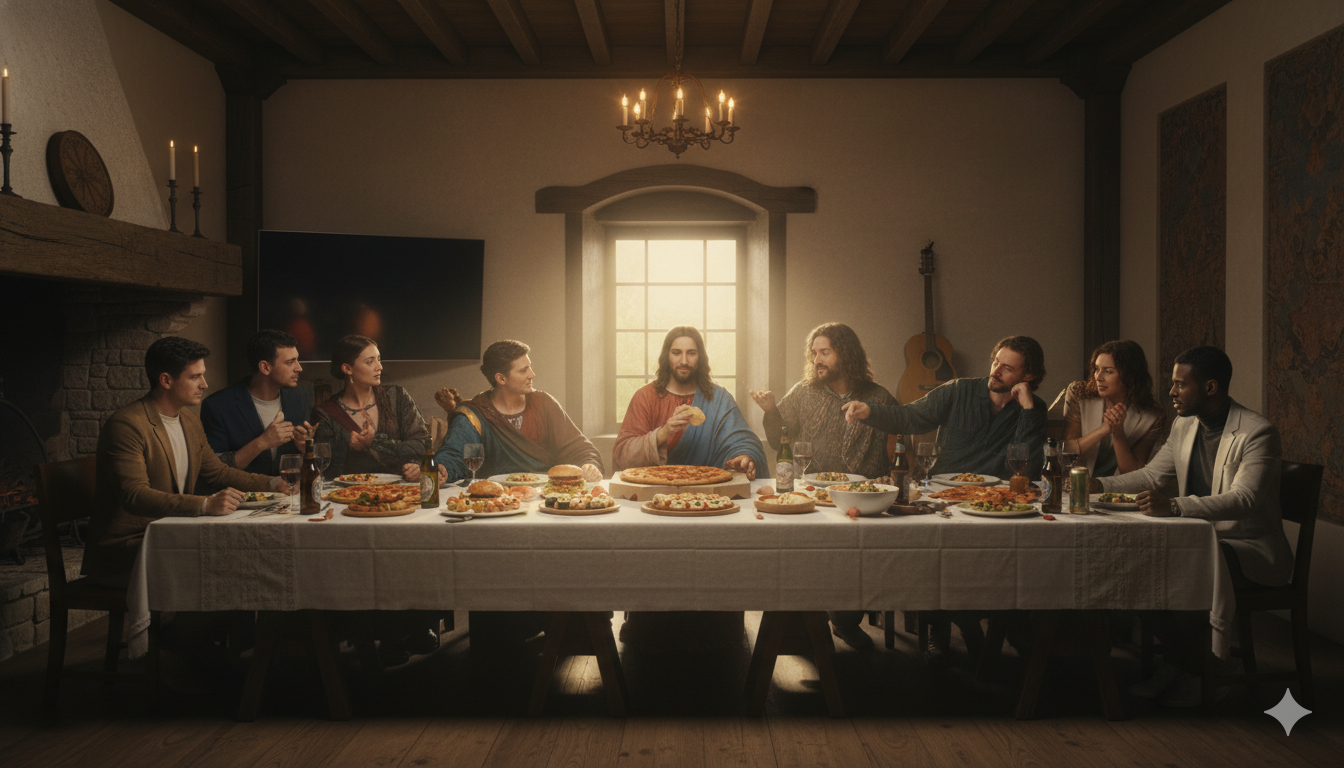
When we talk about the Nadvar, we are diving into one of the most famous moments in history. Most people know it as a special meal shared between friends long ago. In many cultures, especially in Denmark, it is often called den sidste nadvar. This term refers to the final dinner Jesus had with his followers. It is a story filled with friendship, mystery, and a bit of sadness. Even if you aren’t a religious person, the nadvar is a huge part of our global culture. It has inspired movies, books, and even modern-day memes.
The nadvar isn’t just a story from a book; it is a symbol of coming together. During this meal, bread and wine were shared, which started a tradition that millions of people still follow today. Understanding the nadvar helps us understand how art and history blend together. It shows us how one single evening can change the way the world thinks for thousands of years. It’s a fascinating topic that bridges the gap between the past and our life right now.
The Story of Den Sidste Nadvar
The phrase den sidste nadvar translates to “The Last Supper.” This event took place in a quiet room in Jerusalem. According to the stories, it was a time for reflection and big announcements. During the Nadvar, a very famous moment happened where it was revealed that someone in the group would be a traitor. Imagine sitting at a dinner table and hearing that news! This drama is what makes the nadvar such a powerful story for writers and painters.
When we look at den sidste nadvar, we see more than just people eating. We see human emotions like shock, fear, and love. The nadvar was the last time this specific group was all together before things changed forever. It is the heart of many holiday traditions, especially during Easter time. By learning about den sidste nadvar, you get a front-row seat to one of the most dramatic nights in human history. It is a tale that never gets old because it feels so personal.
Who Painted the Famous Nadvar?
If you close your eyes and think of the nadvar, you probably see a long table. This vision comes from the mind of Leonardo da Vinci. He was a genius who lived a long time ago in Italy. He painted his version of den sidste nadvar on a wall in a church in Milan. Leonardo didn’t just want to show people eating; he wanted to show their souls. He spent years working on the nadvar to make sure every face looked just right.
Leonardo’s nadvar is special because of how he used lines and light. He made it look like the room in the painting was a real part of the room where people were standing. This was a brand-new trick back then! Today, people travel from all over the world to catch a glimpse of this nadvar. It is very old and fragile, so they only let a few people in at a time. Leonardo turned a simple meal into a masterpiece that defines the word “iconic.”
Facts and Biography of the Masterpiece
To really understand the nadvar, it helps to see the facts laid out clearly. This table shows you the “who, what, and where” of this amazing piece of history.
Quick Facts Table
| Feature | Details |
| Common Name | The Last Supper / Nadvar |
| Danish Name | Den sidste nadvar |
| Artist | Leonardo da Vinci |
| Created Between | 1495–1498 |
| Location | Santa Maria delle Grazie, Milan |
| Medium | Tempera and Oil on Gesso |
| Size | 460 cm × 880 cm (181 in × 346 in) |
| Main Subject | Jesus and his twelve Apostles |
Why the Nadvar is So Important Today
You might wonder why we still care about the nadvar hundreds of years later. The reason is that it represents a “turning point.” In every great movie, there is a scene where everything changes. For history, the nadvar is that scene. It changed how people think about faith and community. Also, the nadvar taught artists how to tell a story through body language. If you look closely at the painting, every hand and every eye tells a different part of the story.
The nadvar also reminds us of the importance of sharing a meal. Even in our busy world, sitting down to eat is a way to connect. Whether you call it den sidste nadvar or just dinner, the act of breaking bread is universal. The nadvar has been copied and changed by many modern artists, showing that its message still rings true. It is a bridge between the ancient world and our modern lives, making it a “must-know” topic for everyone.
Secrets Hidden in the Painting
Did you know there are “hidden” messages in the nadvar? Some people think Leonardo da Vinci left clues in the way the people are sitting. For example, some experts noticed that the bread rolls and hands on the table look like musical notes! If you “play” the nadvar, it actually makes a short song. This is the kind of detail that makes the nadvar so fun to study. It’s like a giant puzzle that the world is still trying to solve.
Another mystery in den sidste nadvar is the person sitting next to Jesus. Some people think it looks more like a woman than a man. This has led to many books and movies, like The Da Vinci Code. Whether these secrets are real or just our imagination, they keep the nadvar exciting. Every time you look at the nadvar, you might see something you never noticed before. It’s a painting that keeps on giving, which is why we call it a masterpiece.
How the Nadvar Influences Modern Pop Culture
The nadvar is everywhere! You can find it in TV shows like The Simpsons or in famous movie posters. Directors often use the layout of den sidste nadvar to show a group of characters before a big battle or event. This is because the nadvar setup is perfect for showing many people at once. It’s a visual shorthand that everyone understands. When you see a long table with a main character in the middle, you are seeing the influence of the nadvar.
In Denmark, den sidste nadvar is a common theme in schools and museums. It helps kids learn about art and history at the same time. Because the nadvar is so famous, it’s a great way to start a conversation. You can talk about the colors, the history, or the mystery. The nadvar isn’t stuck in a dusty museum; it’s alive in our daily media. It shows that great art doesn’t have an expiration date.
The Materials Used to Create the Nadvar
Leonardo was a scientist as much as an artist. When he painted the nadvar, he didn’t want to use the normal “fresco” style. Fresco means painting on wet plaster, but it dries too fast. Leonardo wanted to take his time with the nadvar, so he invented a new way to paint on a dry wall. Unfortunately, his experiment didn’t work perfectly. The nadvar started to peel off the wall almost as soon as he finished it!
Because he used a mix of oil and tempera, the nadvar became very delicate. Over the years, people have had to work very hard to save it. They use tiny brushes and magnifying glasses to fix the nadvar bit by bit. Even though it has faded, the spirit of the nadvar remains strong. It reminds us that even geniuses make mistakes sometimes. But even a “flawed” nadvar is still one of the most beautiful things ever created by a human.
Where Can You See the Nadvar Today?
If you want to see the real nadvar, you have to travel to Italy. It is located in a small dining hall next to a church in Milan. It isn’t in a giant museum like the Mona Lisa. This makes the nadvar feel more quiet and holy. You have to book your tickets months in advance to see den sidste nadvar. They only let you stay in the room for 15 minutes to protect the paint from the air.
Seeing the nadvar in person is a huge “bucket list” item for many people. The painting is much bigger than you might think. It covers an entire wall! Standing in front of the nadvar makes you feel like you are part of the dinner. Even if you can’t go to Italy, you can see high-quality photos of the nadvar online. These photos let you zoom in and see the tiny cracks and details that make the nadvar so special.
Learning from the Nadvar in School
Teachers love talking about the nadvar because it covers so many subjects. You can learn about math through the perspective lines Leonardo used. You can learn about history by studying the time of the nadvar. You can even learn about chemistry by looking at the paints! Den sidste nadvar is a “super-topic” that brings everything together. It shows students that different subjects aren’t just separate boxes; they all connect.
When I first learned about the nadvar, I was amazed by how the characters were grouped in threes. Leonardo did this on purpose. Using the number three in the nadvar was a way to show balance and harmony. It’s these little details that make the nadvar a great teaching tool. It encourages kids to look closer and ask “Why?” That is the best way to learn about anything in life, especially something as deep as the nadvar.
Summary and Final Thoughts on the Nadvar
In the end, the nadvar is more than just a painting of a dinner. It is a snapshot of a moment that changed the world. Whether you call it the Last Supper or den sidste nadvar, its message of friendship and change stays the same. Leonardo da Vinci gave us a gift when he painted the nadvar. He gave us a way to see into the past and think about the future.
The nadvar continues to inspire new generations of artists and thinkers. It reminds us that art has the power to last for centuries. As we have seen, the nadvar is full of secrets, science, and soul. It’s a topic that everyone should know a little bit about. Next time you see a long table with friends, you might just think of the nadvar and the amazing history behind it!
Frequently Asked Questions (FAQ)
1. What does the word “nadvar” actually mean?
The word nadvar is an old term for a “late meal” or supper. In a religious context, it specifically refers to the meal Jesus had with his apostles.
2. Is “den sidste nadvar” the same as the Last Supper?
Yes! Den sidste nadvar is simply the Danish way of saying “The Last Supper.” It refers to the exact same historical and artistic event.
3. Why is the painting of the nadvar so blurry?
The nadvar is blurry because Leonardo da Vinci experimented with new paints that didn’t stick well to the wall. Over 500 years, the paint has flaked off, but experts have worked hard to restore it.
4. How many people are in the nadvar painting?
There are 13 people in the nadvar. Jesus is in the center, and there are six apostles on his left and six on his right.
5. Where can I find the nadvar?
The original nadvar is on a wall in the Convent of Santa Maria delle Grazie in Milan, Italy. You can’t move it because it is painted directly onto the building!
6. Can I take a picture of the nadvar?
Usually, you are not allowed to take flash photography of the nadvar. The light can hurt the old paint. It is best to just enjoy it with your own eyes!
