
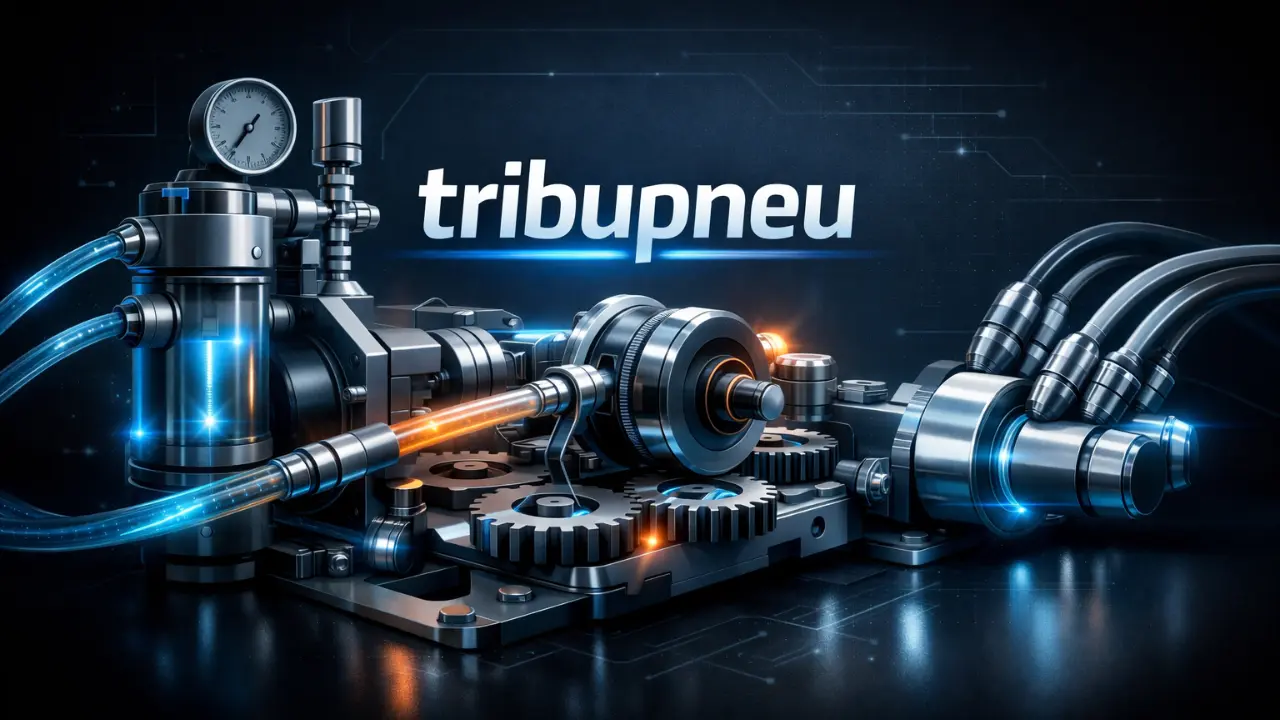
In today’s fast-moving world of engineering, technology, and innovation, the term tribupneu is gaining attention across multiple industries. Although it may not yet appear in traditional encyclopedias, the word combines ideas from friction science and pneumatic systems to describe new generations of motion-control technologies and smart systems. The growing interest in tribupneu reflects its potential to reshape how machines, tools, and even respiratory-related solutions operate with greater efficiency and adaptability.
This detailed guide will explore what tribupneu means, how it works, key benefits, real-world applications, the latest trends and updates, tips for practical use, and common questions — all explained in clear, human-friendly language.
What Is Tribupneu?
The term tribupneu represents a blend of two scientific concepts: tribology — the study of friction, wear, and lubrication — and pneumatics — the use of compressed air or gas to produce controlled motion.
While not officially defined in standard dictionaries yet, the structure of the word suggests that tribupneu refers to systems or technologies where frictional forces are intelligently managed within pneumatic frameworks. In other words, it’s about harnessing controlled friction and air pressure together to improve motion, efficiency, and mechanical performance.
This hybrid concept is emerging within industrial automation, robotics, smart machines, and even next-generation fluid or motion control systems — all fields that value precision, adaptability, and energy efficiency.
A Simple Breakdown of the Name
To understand tribupneu, let’s break it into its two roots:
- Tribo-: Comes from tribology, a branch of engineering focused on friction, wear, and lubrication.
- Pneu-: Comes from pneumatics, referring to systems powered by compressed air or gas.
Together, these elements suggest a technology or approach that uses air pressure intelligently while optimizing friction in mechanical or automated systems.
How Tribupneu Works
Tribupneu systems typically work by combining three main components:
1 Pneumatic Efficiency
Pneumatics uses compressed air to move actuators, pistons, and mechanisms. This makes pneumatic systems clean, fast, and adaptable. In tribupneu applications, this air pressure is highly controlled and optimized in real-time to maximize performance.
2 Tribological Optimization
Advanced materials, coatings, and friction-management strategies reduce wear and energy loss. This increases the lifespan of moving parts and improves consistency of motion.
3 Smart Regulation & Sensing
Many tribupneu configurations include integrated sensors and algorithms that monitor pressure, friction, temperature, and motion. These systems adjust internal performance dynamically — a step above traditional static pneumatic systems.
As a result, tribupneu enables systems that are responsive, energy-efficient, and more durable than conventional alternatives.
Real Benefits of Tribupneu
Here are the key advantages that make tribupneu valuable in modern engineering and automation:
• Enhanced Motion Control
By regulating friction and airflow precisely, tribupneu systems create smoother, more stable movements.
• Energy Efficiency
Reduced friction means less wasted energy, and intelligent pneumatic systems can conserve compressed air, reducing power consumption.
• Extended Component Life
When friction and wear are controlled, parts last longer — reducing maintenance costs and downtime.
• Quieter Operation
Optimized pneumatic systems with balanced air pressures operate with less noise than traditional setups.
• Adaptability
Feedback sensors and control logic enable tribupneu systems to adjust to changing loads or conditions without manual intervention.
Practical Applications of Tribupneu
Tribupneu technology shows promise across diverse sectors:
1 Industrial Automation & Robotics
Modern robots and automated systems increasingly require smooth, responsive motion. Tribupneu can improve efficiency in assembly lines, packaging, and precision tasks.
2 Manufacturing Motion Control
Factory machines that rely on air actuators benefit from reduced energy loss and smoother motion, especially when handling delicate or repetitive tasks.
3 Pneumatic Tool Systems
Systems with compressed air tools — like drills, presses, or actuators — can run longer and more reliably using tribupneu-based lubrication and control.
4 Emerging Smart Technologies
As smart factories and Industry 4.0 technologies grow, tribupneu plays a role in systems that integrate sensors, real-time monitoring, and automated process adjustments.
Latest Updates & Trends for Tribupneu
Because tribupneu is still evolving, keeping up with the latest insights and innovations matters.
• Smart Pneumatic Integration
New systems increasingly add AI-enabled sensors and IoT connectivity for performance monitoring.
• Eco-friendly Design
Manufacturers are choosing friction-reducing materials and air-based motion to cut noise and power consumption, aligning with sustainability goals.
• Expanded Industrial Use
Companies are testing tribupneu mechanisms in robotics, automotive production, packaging automation, and even aerospace research.
• Real-Time Feedback Systems
Sensor arrays and adaptive controls enable predictive maintenance, reducing unplanned downtime.
Expert Tips for Implementing Tribupneu
Whether you’re an engineer, technical manager, or automation specialist, these tips will help you get the most from tribupneu systems:
- Start with pilot testing — prototype before full-scale deployment.
- Use advanced sensors — for accurate monitoring of pressure and friction.
- Choose quality coatings and materials — these improve longevity.
- Pair with IoT systems — for remote monitoring and predictive maintenance.
- Train maintenance staff — to understand the integrated nature of pneumatic and tribological components.
Conclusion
In a world increasingly driven by precision engineering, intelligent systems, and energy efficiency, tribupneu represents a promising fusion of two powerful disciplines: tribology and pneumatics. By combining smart friction management with advanced air-powered mechanisms, tribupneu systems are poised to improve motion control, reduce energy loss, and create more durable, responsive machines.
Whether you work in automation, manufacturing, robotics, or mechanical design, understanding tribupneu — its meaning, benefits, and practical use — will prepare you for the next wave of smart pneumatic technologies emerging across industries.
Frequently Asked Questions
What exactly does tribupneu mean?
Tribupneu combines ideas from friction science and pneumatic systems to describe advanced motion-control technologies that optimize performance through controlled air pressure and reduced wear.
Where is tribupneu used?
It’s used in industrial automation, robotics, motion control systems, pneumatic tools, and smart machinery that benefit from efficient, adaptable motion.
Is tribupneu a real technology?
Although still emerging and not yet mainstream, tribupneu represents actual engineering innovations combining pneumatic systems with advanced material and control technologies.
How does tribupneu improve efficiency?
By reducing friction and using sensors to manage compressed air intelligently, tribupneu cuts energy loss and boosts performance.
Can tribupneu systems reduce maintenance costs?
Yes, optimized friction and real-time monitoring help extend component life and cut unplanned repairs.
Does tribupneu require special sensors?
Advanced tribupneu setups often use integrated sensors for feedback on friction, pressure, and wear.
Are tribupneu systems sustainable?
They typically use air instead of heavy fluids, which reduces environmental impact and noise.
Can tribupneu be retrofitted?
In some cases, existing pneumatic systems can be enhanced with tribupneu-style friction management and sensors depending on design compatibility.
