
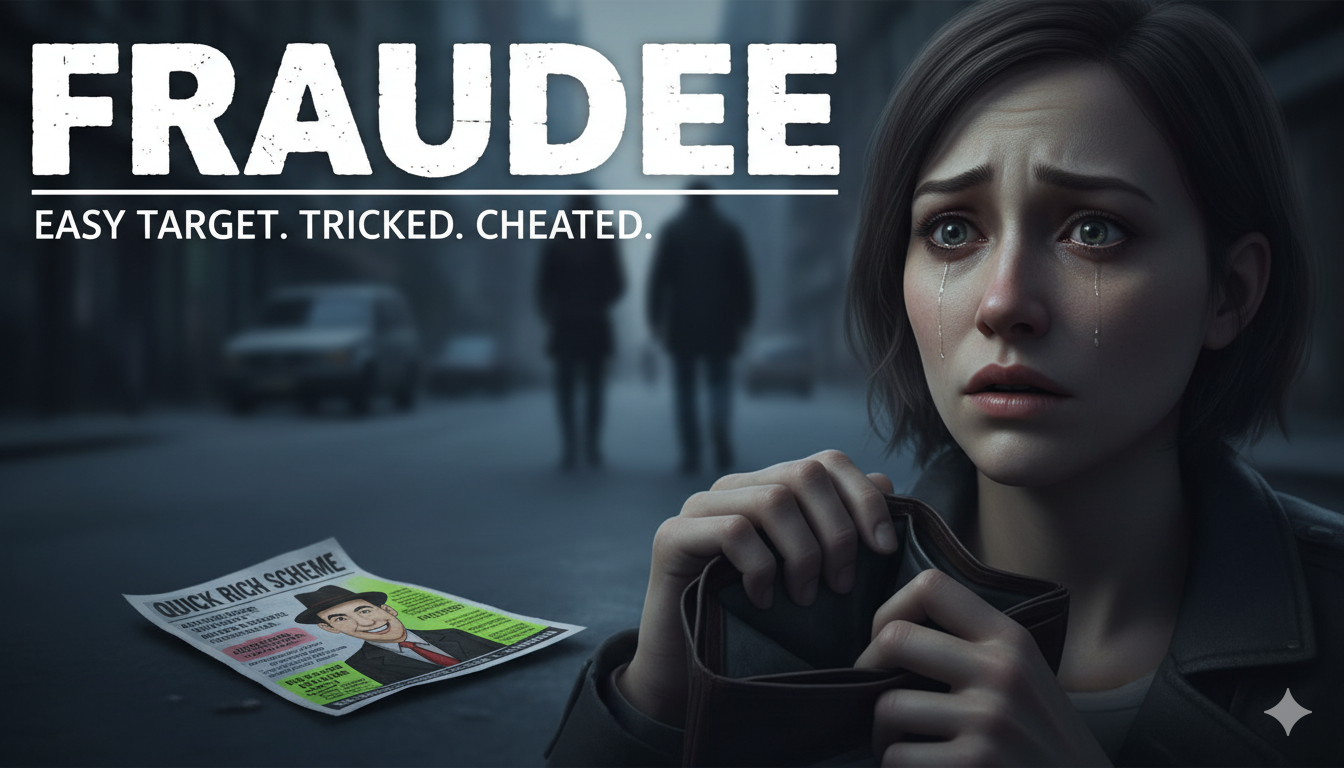
Have you ever heard the word Fraudee and wondered what it meant? In simple terms, a fraudee is someone who has been tricked or cheated by a dishonest person. Think of it like a game where one person plays unfair, and the other person loses out. Being a fraudee can happen to anyone, from a student buying a toy online to a big business making a deal. It is a tough spot to be in, but knowing the signs can help you stay safe.
In this guide, we are going to dive deep into the world of the fraudee. We will look at how people get into these situations and what they can do to get out. My goal is to help you understand this topic so well that you never have to worry about becoming a fraudee yourself. Let’s explore the details together in a way that is easy to follow.
Quick Facts: The Fraudee Biography Table
| Category | Details |
| Common Name | Victim of Fraud / Fraudee |
| Main Risk | Financial loss or identity theft |
| Target Areas | Online shopping, emails, and phone calls |
| Legal Status | Protected under consumer rights laws |
| Goal of Recovery | Getting money back and fixing credit |
| Prevention Level | High (with the right knowledge) |
How Does Someone Become a Fraudee?
Becoming a fraudee usually starts with a lie. A bad person, often called a scammer, tells a story that sounds too good to be true. They might say you won a prize or that your bank account has a problem. Because the fraudee wants to help or is excited about the prize, they might give away a password or send money. It is a trick that plays on our feelings, like fear or happiness.
Many people think only “unlucky” people become a fraudee, but that is not true. Even very smart people get tricked because scammers are getting better at hiding their lies. They use fake websites and official-looking emails to catch you off guard. The moment you realize the person on the other end wasn’t being honest, you have officially become a fraudee.
The Different Types of Fraud Situations
There are many ways a person can end up as a fraudee. Some people get tricked on social media, while others face issues with their credit cards. One common way is “phishing,” where a scammer sends a fake link. If you click it, you might become a fraudee because they can see your private info. Another way is through “shopping scams” where you pay for a cool toy that never arrives in the mail.
It is also important to know about “identity fraud.” This is when a thief uses your name to buy things. In this case, the fraudee doesn’t even know they are being cheated until they see their bank statement. By knowing these different types, you can keep a lookout for red flags. Being an informed person is the best way to avoid the label of a fraudee in your daily life.
Why Is the Term Fraudee Important?
Using the word fraudee helps us talk about the person who was hurt in a crime. In the past, people just talked about the “thief.” But focusing on the fraudee allows us to focus on helping them recover. It reminds us that there is a real person behind the numbers who might be feeling sad or worried. Words matter because they help us show empathy and offer the right kind of support.
When a fraudee speaks up, they help other people stay safe. By sharing their story, they warn their friends and family about the tricks they saw. This turns a bad situation into a learning moment for the whole community. Every time a fraudee reports a crime, the world becomes a little bit harder for the scammers to operate in.
Common Signs You Might Be a Fraudee
How do you know if you are a fraudee? One of the biggest signs is a sudden change in your money. If you see a charge on your card that you didn’t make, you might be a fraudee. Another sign is getting weird calls from people who say they are from the government. They might ask for gift cards or “secret” payments, which is a huge red flag.
You should also watch out for “urgency.” Scammers want to turn you into a fraudee by making you rush. They might say, “Act now or you will go to jail!” This is almost always a lie. If you feel pressured to send money fast, stop and think. Taking a deep breath can be the difference between staying safe and becoming a fraudee.
The Emotional Impact on a Fraudee
Being a fraudee isn’t just about losing money; it’s also about how you feel. Many people feel embarrassed or angry when they find out they were tricked. It is important to remember that being a fraudee is not your fault. Scammers spend all day practicing their lies, so they are very good at what they do. You shouldn’t feel bad for being a kind or trusting person.
Talking to someone you trust can help you feel better. Whether it is a parent, a teacher, or a friend, sharing your feelings is the first step to healing. A fraudee needs support just as much as they need their money back. Remember, you are much more than just a victim of a scam; you are a resilient person who can bounce back.
Legal Rights for Every Fraudee
Did you know that every fraudee has rights? Laws are in place to protect you if someone steals your money. For example, most credit card companies will give a fraudee their money back if they report the theft quickly. This is why it is so important to check your bank accounts often. If you find a mistake, you can tell the bank and start the process to fix it.
There are also government groups that help a fraudee. You can file a report with the police or a consumer protection agency. These groups work hard to catch the bad guys and stop them from hurting others. As a fraudee, you have the power to use the law to fight back against the people who tried to cheat you.
How to Help a Friend Who Is a Fraudee
If your friend tells you they are a fraudee, the best thing you can do is listen. Don’t tell them they should have known better, because that just makes them feel worse. Instead, tell them you are sorry it happened and ask how you can help. Sometimes a fraudee just needs someone to help them call the bank or change their online passwords.
You can also help by sharing what you’ve learned here. If your friend knows the steps to take, they won’t feel so lost. Being a fraudee is scary, but having a good friend makes it much easier to handle. Together, you can make a plan to ensure they are never a fraudee ever again in the future.
Steps to Take If You Are a Fraudee
If you realize you are a fraudee, don’t panic! The first thing to do is stop talking to the person who tricked you. Block their number or email right away. Next, tell a grown-up or call your bank to freeze your accounts. This stops the scammer from taking any more of your money. It is a very important step for every fraudee to take immediately.
After that, change all your passwords. Use strong ones that are hard to guess, like a mix of letters and symbols. Being a fraudee means your old info might not be safe anymore. Finally, keep a record of what happened. Save any emails or texts the scammer sent you. This evidence helps the police catch the person who turned you into a fraudee.
Simple Ways to Avoid Becoming a Fraudee
The best way to not be a fraudee is to stay curious and cautious. If a stranger asks for money online, the answer should always be “no.” Never share your secret codes or passwords with anyone, even if they say they are from a big company. A real company will never ask for your password over the phone. Staying smart online is your best shield against being a fraudee.
You can also use “Two-Factor Authentication.” This is a fancy way of saying your accounts need two keys to open instead of one. It makes it much harder for someone to make you a fraudee. Also, keep your computer and phone updated. These updates often have special tools that block the people who want to make you a fraudee.
The Future of Safety for the Fraudee
As technology gets better, it will be easier to protect the fraudee. Scientists are building smart robots (AI) that can spot a scam before it even reaches you. This means fewer people will have to deal with the stress of being a fraudee. Even banks are using better tools to see if a charge is real or if a thief is trying to use your card.
However, the best tool will always be your own brain. Even with all the cool tech, being aware is your best defense. As long as you stay informed, the chances of you being a fraudee stay very low. We are moving toward a world where the fraudee gets help faster and scammers find it harder to win.
Conclusion: Staying One Step Ahead
We have covered a lot today about what it means to be a fraudee. From the first lie of a scammer to the steps for recovery, knowledge is your superpower. Remember, being a fraudee is a temporary problem that you can solve with a little help and the right actions. Stay calm, act fast, and always trust your gut if something feels wrong.
The world is a great place, but it has a few bad apples. By knowing how a fraudee is targeted, you can protect yourself and those you love. Keep your passwords secret, your eyes open, and your heart brave. You have the tools now to make sure you never end up as a fraudee again.
Frequently Asked Questions (FAQs)
1. Can a kid be a fraudee?
Yes, kids can be a fraudee too! This often happens in online games where someone promises free “skins” or currency but steals the account instead. Always ask a parent before clicking links.
2. Will I get my money back if I am a fraudee?
In many cases, yes! If you tell your bank quickly that you are a fraudee, they can often cancel the payment or refund your money.
3. Is it my fault if I became a fraudee?
Absolutely not. A fraudee is a victim of a crime. The only person at fault is the dishonest person who told the lie to trick you.
4. What is the most common way to become a fraudee?
Most people become a fraudee through “phishing” emails or fake text messages that look like they are from a real company like Amazon or Netflix.
5. How can I report someone trying to make me a fraudee?
You can report them on the website where they contacted you, or tell a parent who can report it to the FTC (Federal Trade Commission).
6. Should I be scared of being a fraudee all the time?
No, you don’t need to be scared. Just be careful! If you follow the simple rules of safety, the risk of becoming a fraudee is very small.
