
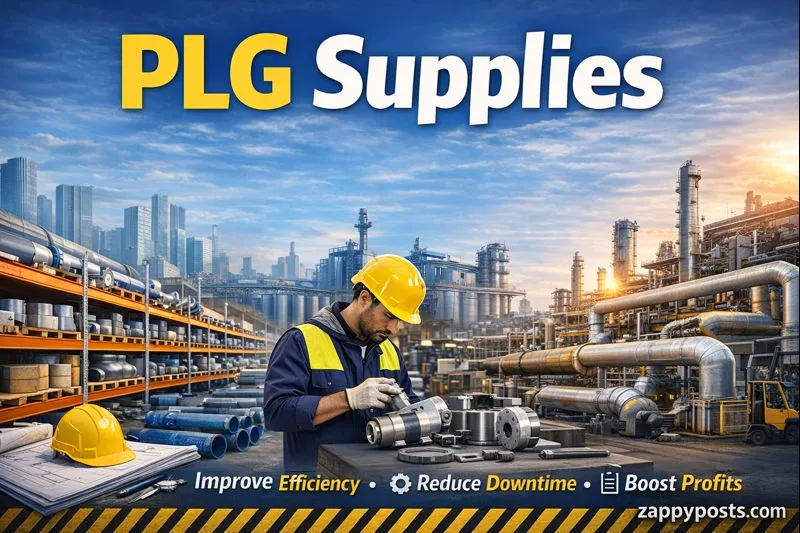
In today’s competitive industrial environment, businesses depend heavily on reliable materials to keep operations running smoothly. From manufacturing units to logistics facilities, consistent input quality directly affects output, safety, and profitability. This is where plg supplies become an essential part of operational planning.
Industrial buyers are no longer focused only on price. They now look for reliability, compliance, long-term performance, and supplier credibility. Understanding how these supplies fit into real-world operations helps businesses reduce risk and improve efficiency.
What Are PLG Supplies and Why They Matter
At a basic level, plg supplies refer to essential industrial materials used across multiple operational stages. These may support production processes, maintenance activities, or infrastructure requirements depending on the industry.
Their importance lies in consistency. When the right materials are used, machines perform better, maintenance cycles become predictable, and unexpected breakdowns are reduced. Over time, this stability translates into cost savings and stronger operational control.
Industries That Commonly Rely on These Supplies
Many sectors depend on plg supplies as part of their daily workflow. Manufacturing plants use them to maintain uninterrupted production. Warehousing and logistics operations rely on dependable materials to support handling and storage systems.
Construction and infrastructure projects also require industrial-grade materials that meet safety and durability standards. Across these sectors, choosing suitable supplies ensures performance under pressure and compliance with operational requirements.
The Role of Quality in Industrial Materials
Quality is one of the most critical factors when selecting plg supplies. Poor-quality materials often lead to frequent replacements, operational delays, and higher long-term costs. In contrast, well-made supplies offer durability and consistent performance.
High-quality materials are usually tested against industry benchmarks. They are designed to withstand demanding conditions, making them a reliable choice for businesses that prioritize long-term efficiency over short-term savings.
How the Right Supplies Improve Operational Efficiency
Operational efficiency improves when plg supplies are selected with a clear understanding of usage requirements. Reliable materials reduce machine downtime and minimize the need for emergency maintenance.
This stability allows teams to focus on productivity instead of troubleshooting recurring issues. Over time, improved efficiency supports better planning, smoother workflows, and increased output quality.
Key Factors to Consider Before Making a Purchase
Before investing in plg supplies, businesses should evaluate several important factors. These include material durability, compatibility with existing systems, and adherence to safety or industry standards.
Supplier transparency also matters. Clear product specifications, testing documentation, and consistent availability help buyers make informed decisions and avoid unnecessary risks.
Common Challenges Faced by Industrial Buyers
One of the most frequent challenges with plg supplies is inconsistent quality from unreliable sources. This inconsistency can disrupt operations and increase maintenance costs over time.
Another challenge is lack of technical guidance. Without proper understanding of application requirements, businesses may choose unsuitable materials that fail to deliver expected performance.
Real-World Example from Industrial Operations
In a medium-scale manufacturing facility, switching to well-matched plg supplies significantly reduced equipment stoppages. Machines operated more smoothly, and maintenance schedules became more predictable.
This example highlights how informed material selection directly impacts productivity and operational stability, even without changing equipment or workforce size.
Long-Term Business Benefits of Smart Material Selection
Over the long term, investing in dependable plg supplies strengthens operational confidence. Businesses experience fewer disruptions, better budget control, and improved planning accuracy.
Consistent material performance also supports sustainable growth. When operations run smoothly, management can focus on expansion and optimization instead of damage control.
Frequently Asked Questions
What should businesses check before selecting an industrial supplier?
Businesses should review product specifications, compliance standards, delivery reliability, and supplier experience before making a decision.
Are industrial supplies customizable for specific operations?
Yes, many suppliers offer variations based on size, material, or usage requirements to match specific operational needs.
How do quality materials reduce long-term costs?
High-quality materials last longer, reduce breakdowns, and minimize frequent replacements, lowering maintenance and downtime expenses.
Do these materials support compliance and safety standards?
When sourced correctly, they are designed to meet industry regulations and safety guidelines required for industrial environments.
Can the right material choice improve productivity?
Yes, consistent and reliable materials help equipment run smoothly, allowing teams to focus on performance rather than repairs.
Conclusion
Selecting the right industrial materials is a strategic decision that directly affects efficiency, safety, and long-term business stability. When businesses understand their operational requirements and focus on quality rather than short-term cost savings, they reduce risk and improve overall performance.
