
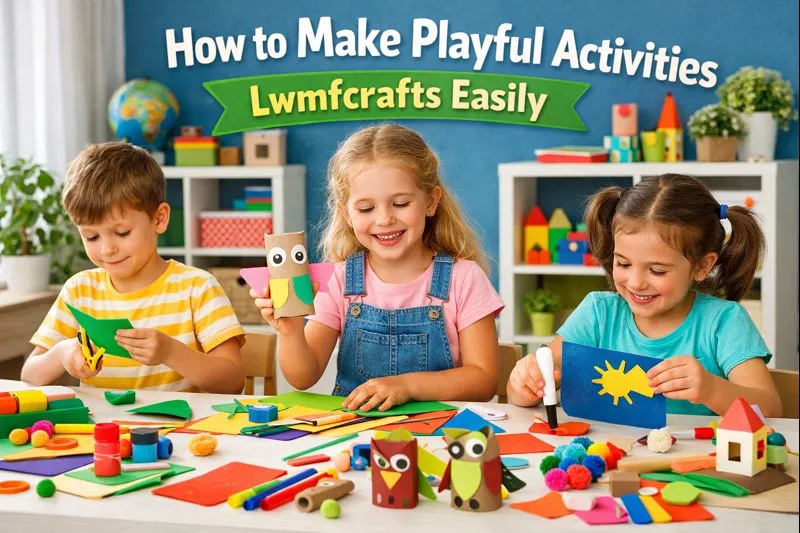
Learning becomes truly powerful when it feels like play. Parents, teachers, and caregivers today are actively searching for meaningful ways to combine creativity with education. How to Make Playful Activities Lwmfcrafts is not just about making crafts; it is about designing experiences that spark curiosity, encourage imagination, and support child development in a natural way.
In this detailed guide, you will learn practical methods, expert tips, and proven ideas to create playful activities that children genuinely enjoy. Every section is written in simple language, easy steps, and a friendly tone so anyone can apply these ideas at home or in a classroom setting.
Understanding Playful Activities and Lwmfcrafts
At its core, How to Make Playful Activities Lwmfcrafts focuses on learning through hands-on creativity. Playful activities allow children to explore concepts freely instead of following rigid instructions. Lwmfcrafts emphasize flexibility, imagination, and engagement rather than perfection.
These activities encourage children to touch, feel, build, and experiment. When kids learn through play, they develop stronger cognitive skills, emotional awareness, and confidence. This approach is especially effective for early learners but remains valuable for older children as well.
Why Playful Craft Activities Matter for Children
Many educators recommend How to Make Playful Activities Lwmfcrafts because play-based learning improves long-term understanding. Children remember what they experience, not what they memorize. Craft-based activities help improve fine motor skills, creativity, and problem-solving abilities.
Playful crafts also reduce learning stress. When children enjoy the process, they stay focused longer and develop a positive relationship with learning. These activities support social skills when done in groups and encourage independent thinking when done individually.
Essential Materials You Can Use at Home
One of the biggest advantages of How to Make Playful Activities Lwmfcrafts is that it does not require expensive supplies. Most activities can be created using everyday materials such as paper, cardboard boxes, bottle caps, glue, markers, fabric scraps, and recycled items.
Using common materials teaches children resourcefulness and environmental awareness. It also allows parents and teachers to create activities anytime without planning long shopping trips.
Step-by-Step Process to Create Playful Activities
When starting How to Make Playful Activities Lwmfcrafts, begin with a clear purpose. Decide whether the activity focuses on creativity, learning shapes, improving coordination, or storytelling. Keep the goal simple.
Next, set up a comfortable workspace where children can move freely. Introduce the materials and explain the idea briefly, then allow children to explore on their own. Avoid strict rules and let creativity guide the process. Gentle guidance is helpful, but freedom is essential.
Creative Ideas for Playful Learning Crafts
Some popular ideas related to How to Make Playful Activities Lwmfcrafts include paper animals, shape collages, color-matching games, storytelling boards, and sensory crafts. These activities can be adjusted according to age and skill level.
For younger children, focus on colors, textures, and simple shapes. Older children can enjoy more detailed crafts such as building models, creating mini-books, or designing themed projects. The key is to keep the activity fun and interactive.
How to Keep Children Engaged and Motivated
Engagement is a major part of How to Make Playful Activities Lwmfcrafts. Children stay interested when activities connect to their interests. Themes like animals, seasons, space, or favorite stories work very well.
Praise effort rather than results. Encourage children to talk about their creations and explain their ideas. This builds confidence and improves communication skills while keeping the activity enjoyable.
Common Mistakes to Avoid in Playful Craft Activities
While exploring How to Make Playful Activities Lwmfcrafts, some common mistakes can reduce effectiveness. Over-controlling the activity limits creativity. Correcting every mistake discourages exploration.
Avoid comparing children’s work or rushing them to finish. Each child learns at a different pace. Playful crafts should feel safe, flexible, and pressure-free to truly benefit learning.
Adapting Playful Activities for Different Age Groups
A strong benefit of How to Make Playful Activities Lwmfcrafts is adaptability. For toddlers, focus on sensory experiences like textures and colors. For preschoolers, include counting, matching, and storytelling elements.
Older children can handle problem-solving challenges, planning steps, and creative decision-making. Adjusting complexity ensures every child remains engaged and challenged appropriately
Benefits Beyond Learning
Beyond education, How to Make Playful Activities Lwmfcrafts supports emotional well-being. Children express feelings through art and play, which helps reduce anxiety and build emotional intelligence.
Craft activities also strengthen bonding between children and adults. Shared creative time creates positive memories and meaningful connections that go beyond traditional learning methods.
Long-Term Impact of Playful Learning
When practiced consistently, How to Make Playful Activities Lwmfcrafts helps children develop a lifelong love for learning. They become more curious, confident, and independent thinkers.
These skills extend into academic success, creativity, and problem-solving in later life. Playful learning builds a strong foundation that supports both personal and educational growth.
FAQs
What age group is best for playful craft activities?
Playful craft activities can be adapted for all ages, from toddlers to older children, by adjusting complexity and materials.
Do playful activities require special skills from adults?
No, basic guidance and encouragement are enough. The focus is on exploration rather than expertise.
How long should a playful activity last?
Activities can last from 10 minutes to an hour, depending on the child’s interest and attention span.
Can playful crafts be educational?
Yes, they support learning in areas like problem-solving, creativity, communication, and motor skills.
Are recycled materials safe for craft activities?
Yes, as long as materials are clean, non-toxic, and age-appropriate.
Conclusion
How to Make Playful Activities Lwmfcrafts is a simple yet powerful approach to combining fun and learning. With everyday materials, a flexible mindset, and a focus on creativity, anyone can create meaningful experiences for children.
Playful activities encourage curiosity, confidence, and joy in learning. When children enjoy the process, learning becomes natural and lasting. Start small, stay creative, and let play lead the way.
