
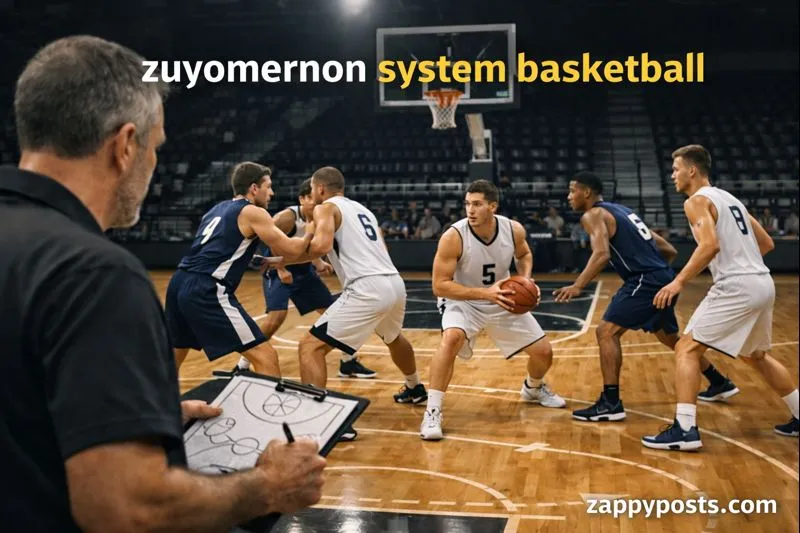
Basketball today is no longer just about speed, height, or shooting ability. While individual skill still matters, the modern game rewards teams that think together, move together, and defend as one unit. This shift has led coaches and players to explore structured approaches that emphasize understanding over memorization. One concept that fits this direction is zuyomernon system basketball, a framework built around smart movement, shared responsibility, and adaptable decision-making.
This article explains the system in simple language, breaks down how it works, and shows why it is becoming relevant for players, coaches, and teams focused on long-term improvement.
Understanding the Concept Behind the System
At a basic level, zuyomernon system basketball is a concept-based approach rather than a playbook full of rigid instructions. Instead of telling players exactly where to stand at every second, it teaches them how to read the game. The system focuses on spacing, timing, and awareness, allowing players to react intelligently to defenders and teammates.
This makes it different from traditional systems that depend heavily on set plays. Here, structure exists, but creativity is encouraged within clear boundaries.
Background and Core Philosophy
The philosophy behind this system reflects how basketball has evolved globally. Coaches noticed that teams relying too much on star players often struggle against disciplined opponents. The solution was to build systems where every player understands the game at a deeper level.
zuyomernon system basketball promotes learning the “why” behind movements. When players understand why they cut, screen, or rotate, they execute with confidence. This mindset reduces panic under pressure and improves overall team chemistry.
How the System Functions on Offense
Offensively, the system prioritizes spacing and flow. Players are taught to keep the floor balanced, ensuring passing lanes remain open and defenders are constantly challenged. Instead of stopping the ball, movement continues through purposeful cuts and screens.
Within zuyomernon system basketball, players rotate through roles rather than being locked into one spot. This makes the offense harder to predict and more difficult to defend, especially against teams that rely on static defensive setups.
Defensive Structure and Team Responsibility
Defense is where communication becomes critical. The system emphasizes collective responsibility rather than individual hero defense. Players learn to anticipate actions, help early, and recover quickly.
By applying zuyomernon system basketball on defense, teams focus on positioning and awareness instead of gambling for steals. This leads to fewer breakdowns and forces opponents into low-percentage shots.
Key Principles Every Player Must Learn
There are several principles that define the system. First is spacing. Without proper spacing, even the best ideas fail. Second is timing. Cuts and passes must happen at the right moment to be effective. Third is decision-making. Players are encouraged to choose the best option, not the fastest one.
These principles are reinforced daily in training so that zuyomernon system basketball becomes natural rather than forced.
Training Methods and Practice Structure
Practices under this system look different from traditional drills. Coaches focus on small-sided games, situational drills, and guided decision-making. Instead of stopping play constantly, feedback is given between repetitions.
This approach helps players understand how zuyomernon system basketball works in real game situations, not just in theory.
Benefits for Players at Different Levels
One major advantage of this system is its flexibility. Youth players benefit by developing strong fundamentals and basketball intelligence. Amateur players gain consistency and confidence. Advanced players improve adaptability and leadership.
Because zuyomernon system basketball does not rely on physical dominance, it allows players of different skill sets to contribute meaningfully.
Common Challenges and How to Overcome Them
Teams sometimes struggle during the early stages. Players used to strict instructions may feel uncertain at first. The key is patience and clear communication. Coaches must guide rather than control.
Once players trust the structure, zuyomernon system basketball becomes smoother and more effective with time.
Real-World Application in Competitive Games
In real games, the system allows teams to adjust without changing their identity. Whether facing zone defenses or aggressive man-to-man pressure, players rely on principles instead of panic decisions.
Teams using zuyomernon system basketball often show better ball movement, improved shot selection, and stronger defensive unity across entire seasons.
Long-Term Impact on Team Culture
Beyond tactics, this system shapes team culture. Players learn accountability, communication, and trust. Success becomes shared rather than individual. These values extend off the court, creating disciplined and focused teams.
Coaches also benefit by spending less time correcting mistakes and more time developing players holistically.
Why This System Fits the Future of Basketball
As basketball continues to evolve, systems that emphasize intelligence and adaptability will dominate. Fast-paced games require players who can think quickly and act decisively. Structured freedom, rather than rigid control, is becoming the standard.
This approach aligns perfectly with modern basketball demands and long-term development goals.
Frequently Asked Questions (FAQs)
Is this basketball system suitable for beginners?
Yes. The system is concept-based and focuses on understanding the game rather than memorizing complex plays, which makes it ideal for beginners learning fundamentals.
Do players need high athletic ability to use this system?
No. It is designed to reward smart movement, positioning, and decision-making, allowing players of different physical abilities to contribute effectively.
Can youth teams apply this approach successfully?
Absolutely. Youth teams benefit greatly because it improves basketball IQ, teamwork, and confidence at an early stage of development.
How long does it take for a team to adapt to this system?
Adaptation time depends on coaching clarity and player commitment, but most teams begin seeing improvement once principles are practiced consistently over a few weeks.
Does this system work against different defensive styles?
Yes. Its flexibility allows teams to adjust naturally against zone defenses, man-to-man pressure, and fast-paced opponents without changing their core identity.
Conclusion
Basketball continues to move toward smarter, more connected team play. Systems built on understanding, communication, and adaptability offer long-term success rather than short-term results. This approach helps players think faster, trust teammates, and stay composed under pressure.
For coaches, it simplifies teaching while improving consistency. For players, it builds confidence and game awareness that lasts beyond a single season. When practiced with patience and clarity, this style of basketball creates teams that are not only effective on the scoreboard but also enjoyable to watch and rewarding to be part of.
